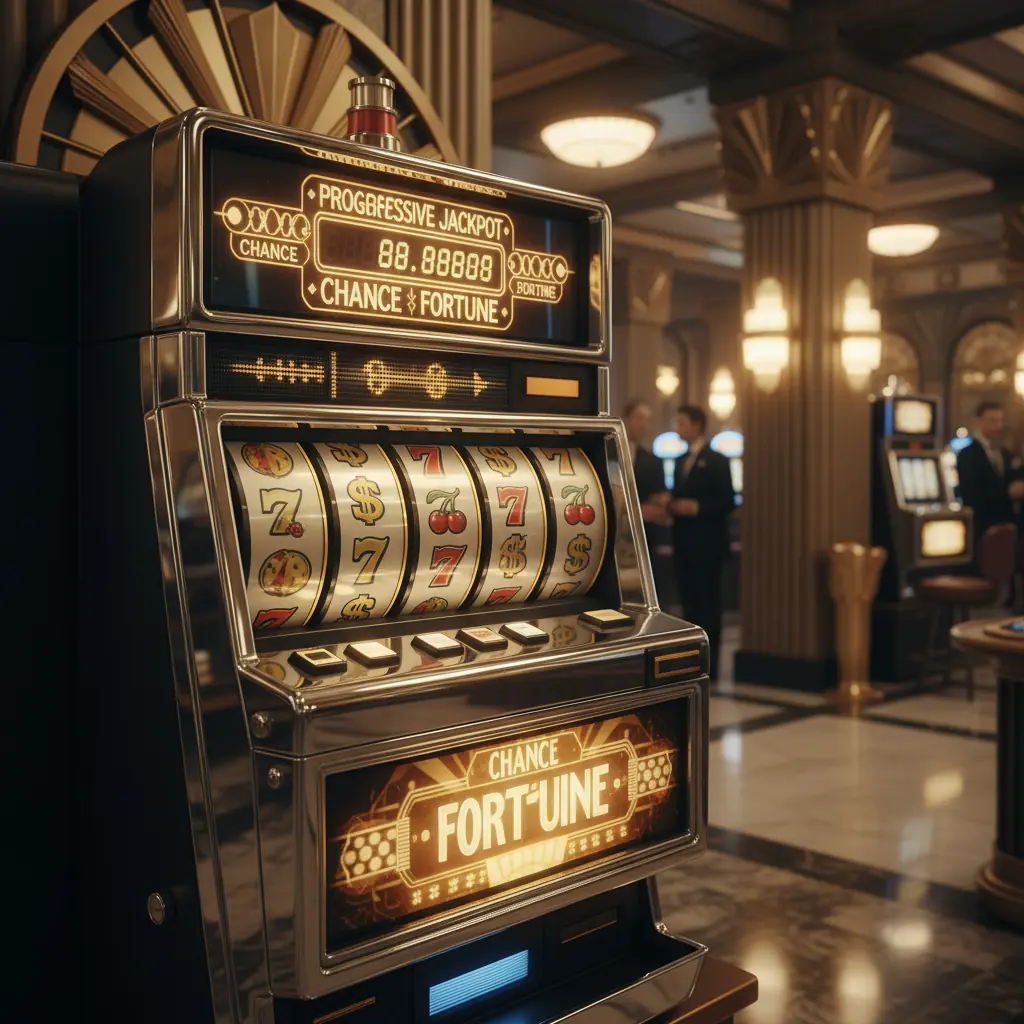
Progressive jackpots: the siren song of online slots. They glimmer with the promise of life-altering wins, a single spin separating players from unimaginable riches. The flashing numbers climb higher and higher, feeding the dream. But are these jackpots genuine golden tickets, or just clever marketing designed to empty wallets? It’s a question I’ve grappled with for years, witnessing both incredible wins and crushing disappointments in the world of casino games.
Countless hours I’ve seen people chase those elusive jackpots, and have closely examined the mechanics, probabilities, and player psychology at play. I will cut through the noise and provide an unbiased perspective. This information will equip you with the knowledge to make informed decisions, separating fact from fiction in the thrilling, and sometimes deceptive, world of progressive jackpots.
Understanding Progressive Jackpots: The Basics
Progressive jackpots represent a thrilling evolution in the world of gambling, offering the tantalizing possibility of life-altering wins. Unlike their fixed counterparts, a progressive jackpot doesn’t have a predetermined payout. Instead, it grows incrementally with each bet placed on the game, across a network of players.
Here’s how the magic happens: a small percentage of every wager, no matter where it’s placed, is funneled into the progressive jackpot pool. This continuous contribution causes the jackpot to swell, often reaching staggering sums. The initial value of a progressive jackpot, before any bets are made, is known as the ‘seeded amount’. This seeded amount ensures that the jackpot always starts at a respectable level, providing immediate incentive for players.
The core distinction between a progressive jackpot and a fixed jackpot lies in their payout structure. A fixed jackpot, as the name suggests, offers a predetermined payout amount. This amount remains constant, regardless of how many people play the game or how long it takes for someone to win. With a progressive jackpot, the potential payout is constantly increasing, making it far more exciting and unpredictable. The allure of a progressive jackpot stems from its ever-growing nature, transforming a game of chance into an opportunity to win a truly substantial prize.
The Allure of the Jackpot: Dreams vs. Reality
Progressive jackpots hold a powerful allure, captivating players with the promise of life-altering wealth. This attraction isn’t purely rational; it’s deeply rooted in jackpot psychology. The dream of instant riches, freedom from financial worries, and the ability to indulge in long-held desires fuels the chase. It’s about more than just money; it’s about the possibilities that money represents.
However, this dream can quickly become distorted. A common pitfall is the gambling fallacy – the misguided belief that past events influence future outcomes in random games. Players might think, “It hasn’t hit in a while, so it’s due to pay out soon!” This is simply not true. Each spin or play is independent, and the odds remain the same regardless of how long it’s been since the last win. These cognitive biases skew perception and can lead to poor decision-making.
Witnessing the impact of these unrealistic expectations firsthand can be sobering. The disappointment etched on a player’s face after a long losing streak, fuelled by the belief that they were “close” to winning, highlights the dangers of unchecked optimism. It’s easy to get caught up in the excitement, visualizing the winning scenario. Remembering that progressive jackpots are designed to be rare occurrences is crucial.
Responsible gambling is paramount. Set realistic budgets, understand the odds, and recognize that winning is never guaranteed. Instead of viewing the game as an investment strategy, consider it a form of entertainment with an inherent cost. By managing expectations and practicing moderation, players can enjoy the thrill of the chase without falling prey to the deceptive allure of the jackpot.
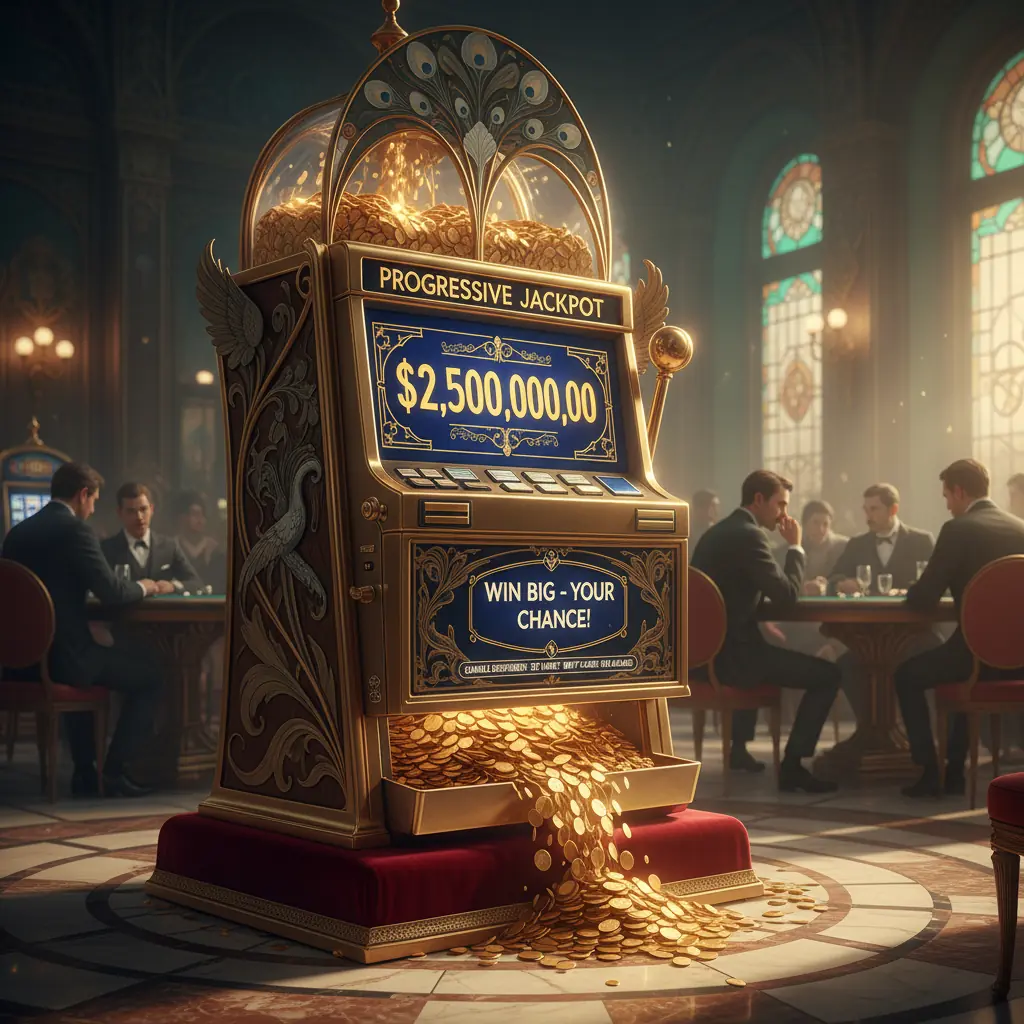
Decoding the Odds: Understanding the Math
Progressive jackpots, with their tantalizingly large sums, operate on a foundation of intricate math. Understanding this math is crucial for any player hoping to beat the odds, or at least play with informed expectations. Key to this understanding are the concepts of RTP (Return to Player), volatility, and the actual probabilities involved.
RTP Explained: The Return to Player (RTP) rate is the percentage of all wagered money that a slot machine is expected to pay back to players over time. For example, if a slot has an RTP of 95%, it theoretically returns $95 for every $100 wagered. It’s essential to note that progressive jackpot slots often have a lower RTP than regular slots. A portion of each bet contributes to the ever-growing jackpot, reducing the percentage returned in smaller wins. This lower RTP doesn’t mean the game is rigged, but it does mean players should anticipate less frequent, smaller payouts.
Slot Volatility: Volatility, also known as variance, refers to the risk associated with playing a particular slot. High volatility slots offer larger payouts, but these wins are infrequent. Low volatility slots, conversely, provide more frequent but smaller wins. Progressive jackpot slots generally have high volatility. The infrequency of the jackpot win necessitates a design that leans towards fewer frequent payouts. Think of it like this: a high volatility slot is like waiting for a bus that only comes once an hour, but when it does, it’s a double-decker filled with cash. A low volatility slot is like a bus that comes every five minutes, but it only carries enough to cover your fare.
Probability and Odds: The actual probability of winning a progressive jackpot is incredibly slim, often comparable to winning the lottery. The exact odds vary depending on the specific game and the number of players participating, but one is talking about probabilities ranging from hundreds of thousands to millions-to-one against winning. While the potential reward is life-changing, it’s important to recognize that the odds are heavily stacked against the player. Approaching progressive jackpots with a clear understanding of these odds allows players to make informed decisions and manage their expectations.
Types of Progressive Jackpots: A Comprehensive Overview
Progressive jackpots offer the allure of life-changing wins, but not all progressives are created equal. They come in several distinct forms, each with its own characteristics and potential payout levels. Knowing the difference can drastically influence the playing strategy and odds.
Standalone Jackpots: These jackpots are specific to a single machine. The jackpot grows with the wagers placed on that exact machine. Standalone jackpots tend to be smaller compared to other types, growing at a slower rate. The advantage is potentially less competition for the prize.
Local Jackpots: Sometimes called in-house progressives, these jackpots are linked between machines within a single casino. Because more players contribute, local jackpots typically climb higher and faster than standalone ones. However, the odds of winning are also more difficult.
Wide-Area Jackpots: These networked jackpots link machines across multiple casinos, potentially even across different states. Due to the vast network of contributing players, wide-area jackpots can reach truly colossal sums, often into the millions. However, the chances of actually winning the jackpot are very slim.
Must-Drop Jackpots: These jackpots are guaranteed to pay out before reaching a certain amount or by a specific time. This adds an element of predictability and excitement, as players know the jackpot must be won soon. These kinds of jackpots are a thrilling option, as tension builds until someone hits the winning combination.
Strategic Play: Maximizing Your Chances (Responsibly)
Chasing a progressive jackpot can be exhilarating, but it’s crucial to approach it with a strategic mindset and a strong dose of responsibility. There’s no guaranteed way to win, of course, but you can definitely optimize your gameplay to increase your chances – and, more importantly, minimize your risks. Think of it like this: you’re not just throwing money at a machine; you’re making informed decisions to improve your odds while staying in control.
First, do your homework. If possible, look for progressive jackpot games with higher Return to Player (RTP) percentages. While the jackpot itself is the main draw, a higher RTP means the game generally pays out more over time, giving you a bit more play for your money. Next, bankroll management is non-negotiable. Decide how much you’re willing to spend before you start playing, and stick to that limit no matter what. Consider it entertainment money, and once it’s gone, it’s gone. It isn’t a resource to solve your financial issues.
Also, understand the game mechanics. Find out how many paylines the game has and how the betting structure works. Some games require you to bet the maximum amount to be eligible for the jackpot, so factor that into your bankroll calculations. Lastly, be aware of volatility. High-volatility games might have bigger payouts, but they also come with longer dry spells. Lower-volatility games offer more frequent, smaller wins, which can help you stretch your playing time and enjoy the experience even if you don’t hit the big one.
Responsible gambling is key
Responsible gambling is absolutely key to enjoying casinos of any kind without the unnecessary risks. The impact of gambling on people’s lives can be difficult, especially when finances are involved. Gambling should be first and foremost a source of entertainment, not a solution to financial problems. To gamble responsibly, it’s essential to set clear limits on both time and money spent. Taking frequent breaks can help maintain perspective and prevent impulsive decisions. It’s also crucial to avoid chasing losses, as this can quickly lead to increased spending and further financial strain.
Personally, I’ve seen firsthand how quickly things can spiral out of control when people start chasing losses. It’s a trap that’s easy to fall into, but incredibly difficult to escape. That’s why setting those limits and sticking to them is so important. If you feel like your gambling is becoming a problem, don’t hesitate to seek professional help. There are resources available to provide support and guidance. Remember, it’s okay to ask for help, and taking that step can make a huge difference in regaining control.

The Future of Progressive Jackpots
Progressive jackpots continue to evolve, driven by technological advancements and changing player preferences. Observing current online gambling trends provides a glimpse into the future of slots and these enticing jackpots.
One significant trend is the potential integration of virtual reality (VR). Imagine stepping into a virtual casino and experiencing the thrill of a progressive jackpot slot machine as if you were physically there. This immersive experience could revolutionize how players engage with these games, adding a new layer of excitement and realism.
Cryptocurrencies are also poised to play a bigger role. Crypto casinos are gaining traction, offering players enhanced privacy, faster transactions, and potentially lower fees. Progressive jackpots within these platforms could become even more appealing, attracting a new demographic of tech-savvy gamblers.
Beyond technology, we can expect to see innovative jackpot features emerge. These might include tiered jackpots with varying levels of risk and reward, personalized jackpots tailored to individual player preferences, or even community jackpots where players contribute to and share in the winnings.
The future of progressive jackpots is likely to be shaped by a combination of cutting-edge technology and creative game design, offering players more engaging, rewarding, and immersive experiences.
Conclusion
Progressive jackpots: the siren song of potentially life-altering wins, or just clever marketing preying on hope? We’ve journeyed through the mechanics, the myths, and the cold, hard probabilities, and the answer, as always, lies somewhere in between. The lure is undeniable – the chance to transform a small stake into a fortune. However, understanding the slim odds attached to hitting that jackpot is crucial.
These games offer a unique thrill, a shared dream fueled by every spin. The jackpots themselves are real, people do win them, and the stories of instant millionaires are captivating. But it is vital to remember that these wins are statistically rare. The house always has a mathematical edge, and chasing the jackpot relentlessly can lead to financial strain and gambling problems.
Ultimately, the decision to play progressive jackpot games is a personal one. If you enjoy the excitement and understand the risks involved, a small investment can be a fun and potentially rewarding experience. Treat it as entertainment, set a budget, and stick to it. Don’t fall for the hype or believe in systems that promise guaranteed wins. As a final expert opinion, progressive jackpots aren’t necessarily “hype,” but they demand a healthy dose of realism and a strong commitment to responsible gambling.