The allure of online casinos is undeniable, promising entertainment and the chance to win from the comfort of home. But beneath the shimmering surface of virtual slots and digital tables lies a critical aspect often overlooked: the safety of your deposits. Entering the world of online gambling requires more than just luck; it demands a keen awareness of the potential risks involved, particularly when it comes to choosing how you fund your account.
The digital landscape is unfortunately rife with vulnerabilities, and online casinos are not immune. Unsecured websites, phishing scams, and even rogue operators can jeopardize your financial information and hard-earned money. Therefore, understanding which deposit methods offer the strongest protection is absolutely paramount. This isn’t about stifling the fun; it’s about empowering you with the knowledge to navigate the online casino world safely and responsibly.
Selecting appropriate deposit methods is a cornerstone of responsible online gambling. From traditional credit cards to modern e-wallets and cryptocurrencies, the options are abundant, but not all are created equal. We’re here to guide you through the maze, equipping you with the insights needed to make informed decisions and safeguard your funds. Prepare to explore the essential considerations for ensuring your online casino experience is not only enjoyable but, above all, secure.
Understanding the Risks of Online Casino Deposits
Diving into the world of online casinos can be thrilling, but it’s crucial to recognize the potential pitfalls lurking beneath the surface. Entering your credit card information on a website you’re not familiar with always carries a risk. Online casino fraud, identity theft, and unfair casino practices are real concerns that demand your attention. Before you deposit any funds, performing due diligence is not just recommended; it’s essential. The digital landscape is riddled with traps for the unwary, and the online gambling world is no exception.
Consider this: a player, lured by a seemingly generous bonus, deposited funds into an online casino. After winning a significant amount, the casino introduced new, previously unmentioned terms and conditions, effectively voiding the winnings. Cases like this are rampant. Recent statistics show a disturbingly high number of complaints related to online casino fraud, highlighting the need for extreme caution.
Common Types of Online Casino Fraud
Payment fraud tops the list, where your financial information is compromised during the deposit process. Identity theft can occur when casinos with weak security protocols expose your personal data. Phishing scams often masquerade as legitimate casino communications, tricking you into revealing sensitive information. Lastly, malware threats can infect your device and steal your credentials when you visit fraudulent casino websites. Be alert for red flags such as unusually high bonus offers, lack of clear contact information, or pressure tactics to deposit funds quickly. These are classic signs of potential fraudulent activity.
The Impact of Unlicensed Casinos
Unlicensed casinos represent a significant threat due to the absence of regulatory oversight. These entities operate outside the boundaries of established rules and regulations designed to protect players. They might manipulate game outcomes, delay or deny withdrawals without justification, or even simply vanish with your money overnight. Reputable licensing authorities, such as the UK Gambling Commission (UKGC) or the Malta Gaming Authority (MGA), enforce strict standards. If a casino is not licensed by a recognized authority, proceed with extreme caution. Lack of licensing is a major red flag, indicating a higher risk of encountering unfair practices and potential scams.
How to Choose a Safe Online Casino
Choosing a safe online casino can feel like navigating a minefield, but with the right knowledge, it becomes a straightforward process. Before you deposit any money, there are specific steps you can take to evaluate a casino’s security and legitimacy. Verifying these factors ensures a secure and enjoyable gaming experience. Over the years I’ve developed a keen eye for spotting red flags, allowing me to confidently navigate the online gambling world and sidestep potential scams. I always check for the following things:
Licensing and Regulation: What to Look For
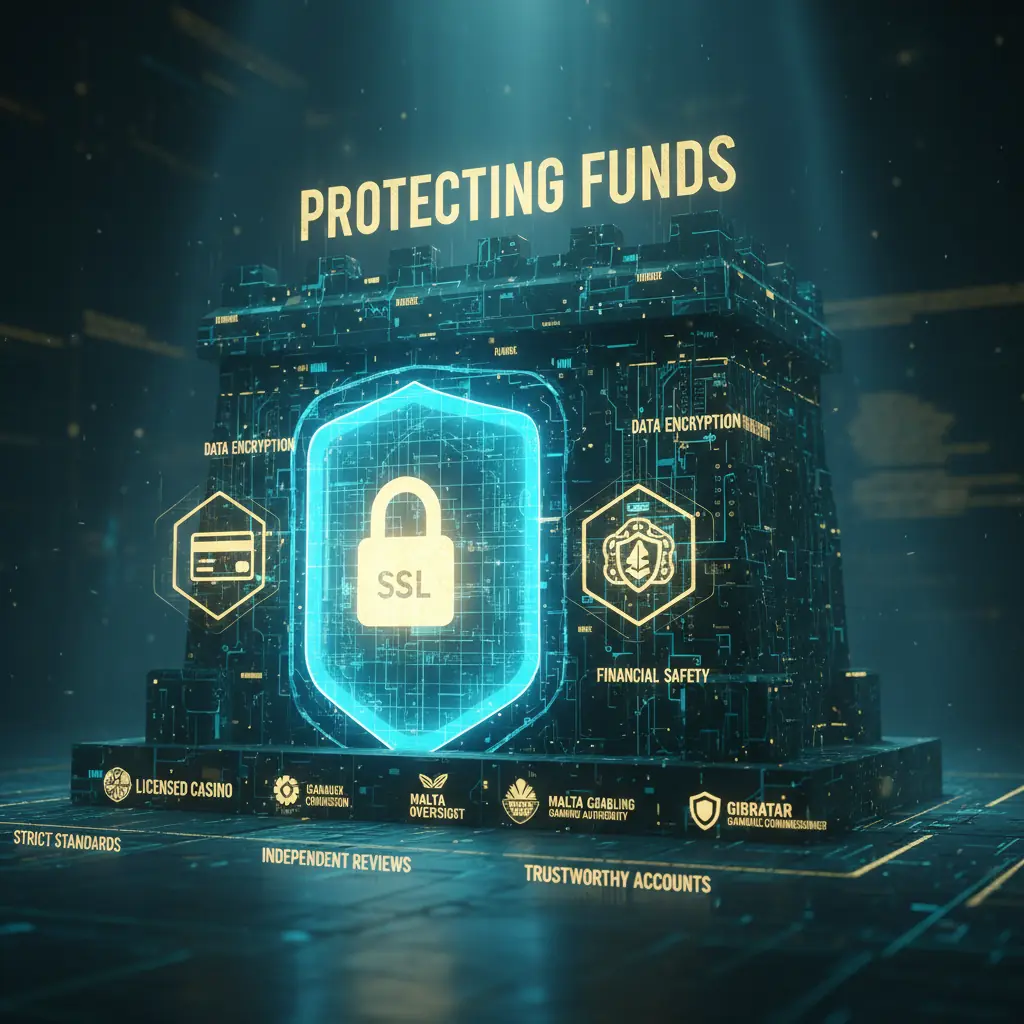
One of the first things I check is whether the casino holds a valid gambling license. This information is usually displayed at the bottom of the casino’s homepage. Look for licenses from reputable regulatory bodies such as the Gibraltar Gambling Commissioner (GGC), the UK Gambling Commission (UKGC), the Malta Gaming Authority (MGA), or Curacao eGaming. Once you find the licensing information, cross-reference it with the regulatory body’s official records to confirm its validity. A license ensures the casino adheres to specific standards of operation and is subject to regulatory oversight.
Assessing Casino Reputation and Reviews
Digging into a casino’s reputation through reviews is a critical step. While casino-sponsored testimonials can be misleading, independent review sites, player testimonials, and industry ratings offer a more balanced perspective. Explore trusted review sites and participate in online gambling forums to gauge player experiences. When evaluating reviews, be critical; look for detailed accounts of actual experiences rather than generic praise or complaints. This will help you identify credible reviews from fake or biased ones. Ultimately, the goal is to get a feel for the overall sentiment surrounding the casino.
Security Measures: SSL Encryption and Data Protection
Ensuring your data stays safe is paramount, so I always look for robust security measures. Secure Socket Layer (SSL) encryption is a must. You can quickly identify if a casino uses SSL encryption by looking for the padlock icon in your browser’s address bar. SSL encrypts the data transmitted between your computer and the casino’s servers, protecting your personal and financial information from interception. Also, I look for mentions of firewalls and other data protection protocols. A secure casino prioritizes your online safety by employing these technologies.
Key Factors for Evaluating Payment Methods
Selecting a payment method involves carefully weighing several factors to ensure both security and convenience. The ideal choice balances robust security features, reasonable transaction fees, and efficient processing times. Each of these aspects plays a crucial role in the overall experience, influencing not only the safety of funds but also the accessibility and speed of transactions. By understanding these elements, individuals can make informed decisions that align with their risk tolerance and financial needs.
Security Protocols and Encryption
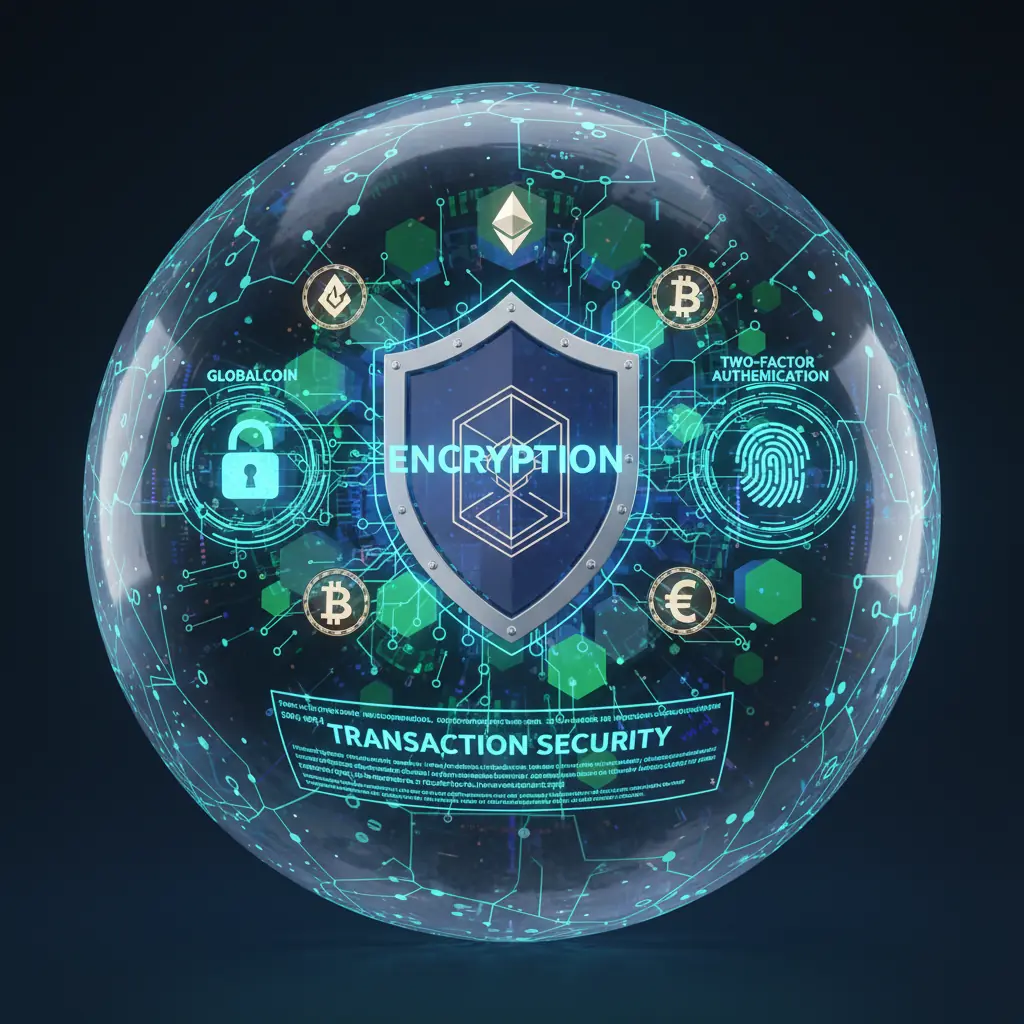
Security is paramount. Look for payment methods employing robust measures like Two-Factor Authentication (2FA), which adds an extra layer of protection beyond just a password. The use of the latest encryption protocols, such as SSL or TLS, ensures that your data is scrambled and unreadable to potential eavesdroppers during transmission. Moreover, some platforms now incorporate biometric authentication, using fingerprints or facial recognition for even greater security. Institutions should also adhere to Know Your Customer (KYC) and Anti-Money Laundering (AML) regulations, which require identity verification and monitoring of transactions to prevent fraud and illegal activities. These protocols altogether builds a strong and reliable payment ecosystem.
Transaction Fees and Limits
Understanding the cost structure is essential. Many payment methods come with transaction fees, which can vary significantly depending on the provider and the type of transaction. Some may charge a percentage of the transaction amount, while others impose a fixed fee. Deposit fees are also important to consider. It’s crucial to be aware of these charges to avoid surprises and choose the most cost-effective option. Additionally, assess the deposit and withdrawal limits. It’s easy to get caught up, therefore responsible spending is a must. Set limits for yourself to prevent overspending; after all, it’s your money we’re talking about.
Processing Times for Deposits and Withdrawals
Time is of the essence, especially when it comes to accessing your funds. Payment methods vary widely in their processing times. While some offer instant deposits, withdrawals can take anywhere from a few hours to several business days. Withdrawal times are important, and delays aren’t always a red flag. Payment processors and institutions might delay payments to conduct thorough verification processes to ensure the legitimacy of transactions and prevent fraud. While this can be frustrating, it ultimately safeguards your money. Consider the typical processing times when choosing a method, balancing speed with security considerations.
The Safest Deposit Methods: A Detailed Breakdown
When it comes to online transactions, especially in the realm of online entertainment, security is paramount. Choosing the right deposit method isn’t just about convenience; it’s about protecting your financial information and ensuring a worry-free experience. Let’s explore some of the safest deposit methods available, dissecting their strengths and weaknesses to help you make informed decisions.
Credit and Debit Cards: Visa, Mastercard
Credit and debit cards from Visa and Mastercard are ubiquitous in the online world, including at Credit Card Casinos and Debit Card Casinos. Their widespread acceptance makes them a convenient option for many. To enhance security, these cards utilize features like CVV codes, those three-digit numbers on the back, and EMV chips, which add a layer of encryption to prevent counterfeiting. However, the potential for fraud exists, making it crucial to regularly monitor your card statements for any unauthorized transactions. Online card payments became easier and safer due to the constant technology improvements.
E-Wallets: PayPal, Skrill, Neteller
E-wallets like PayPal, Skrill, and Neteller offer an added layer of security by acting as intermediaries between your bank and an online platform, like a casino. This means you don’t have to share your sensitive bank details directly with the merchant, reducing the risk of exposure. PayPal casinos, Skrill casinos and Neteller casinos are very popular. While e-wallets provide enhanced security, be aware of potential fees associated with transactions or account maintenance. Also, expect to undergo account verification processes to comply with regulatory requirements.
Bank Transfers: Security and Speed Considerations
Bank transfers, also known as wire transfers, are a traditional method of moving funds directly from your bank account to another. Banks employ robust security protocols to protect online transactions, including encryption and multi-factor authentication. However, bank transfers typically involve longer processing times compared to other methods. While the security is generally high, the inconvenience of waiting for the transfer to clear might be a drawback for some users.
Other Payment Methods
Beyond the mainstream options, a variety of alternative payment methods cater to diverse preferences. Amex, with its reputation for customer service, offers secure transactions but may not be as widely accepted. Astropay provides a virtual card system, adding a layer of anonymity. Boku and PayForIt facilitate mobile payments, charging deposits to your phone bill – convenient, but with potential security limitations. Cryptocurrencies like Ethereum offer decentralized transactions, but their volatility and complexity can be daunting. Idebit provides secure online banking transfers, while Maestro, Moneygram, Neteller ,Neosurf and Paypal function as e-wallets with varying fees and features. Pay by Phone services offer simplicity, but often come with transaction limits. Each method presents its own blend of security, convenience, and potential drawbacks.
Personal Responsibility and Best Practices
Creating Strong Passwords and Protecting Your Account
The online world is a bit like the Wild West, and your password is your trusty steed. A weak password is like riding a donkey into a gunfight. Make it long, make it random, and for goodness sake, don’t use your pet’s name or your birthday! Think of it as creating a complicated riddle only you know the answer to. Password managers are your friends here. They help you generate and store those complex passwords without turning your brain into scrambled eggs. Treat every account like it holds the keys to Fort Knox, because in a way, it does. Unique passwords for every site are non negotiable. If one account gets compromised, you don’t want the dominoes to start falling.
Recognizing and Avoiding Phishing Scams
Phishing scams are the online equivalent of someone trying to sell you a fake Rolex on a street corner. They look tempting, but they’re trouble. Keep your eyes peeled for emails riddled with typos, urgent requests for personal information, or links that just seem ‘off’. Hover over links before you click—does the URL match the sender? If a deal sounds too good to be true, it probably is. Your gut instinct is often right. Don’t click on anything shady and always double-check the sender’s email address. Treat every email like a potential landmine—handle with caution, and if something smells fishy, delete it faster than you can say “scam.” Keep your devices protected by using malware protection.
Conclusion
In conclusion, the world of safe online gambling hinges on responsible deposit practices. Prioritizing security measures, understanding the nuances of payment methods, and staying informed about potential risks are all essential. This empowers you to make informed decisions, ensuring online casino experiences are secure and enjoyable.
Remember, a proactive approach to online casino security is not daunting. It’s about equipping yourself with the knowledge and tools to mitigate potential dangers. By taking the necessary precautions, you are actively shaping your online gambling journey, fostering a positive and secure entertainment.